


Get In Touch
Mouin Frada
Ph: +21699563061
Work Inquiries
[email protected]
Back
Aerospace Concept Design R&D Sustainability
December 27, 2021

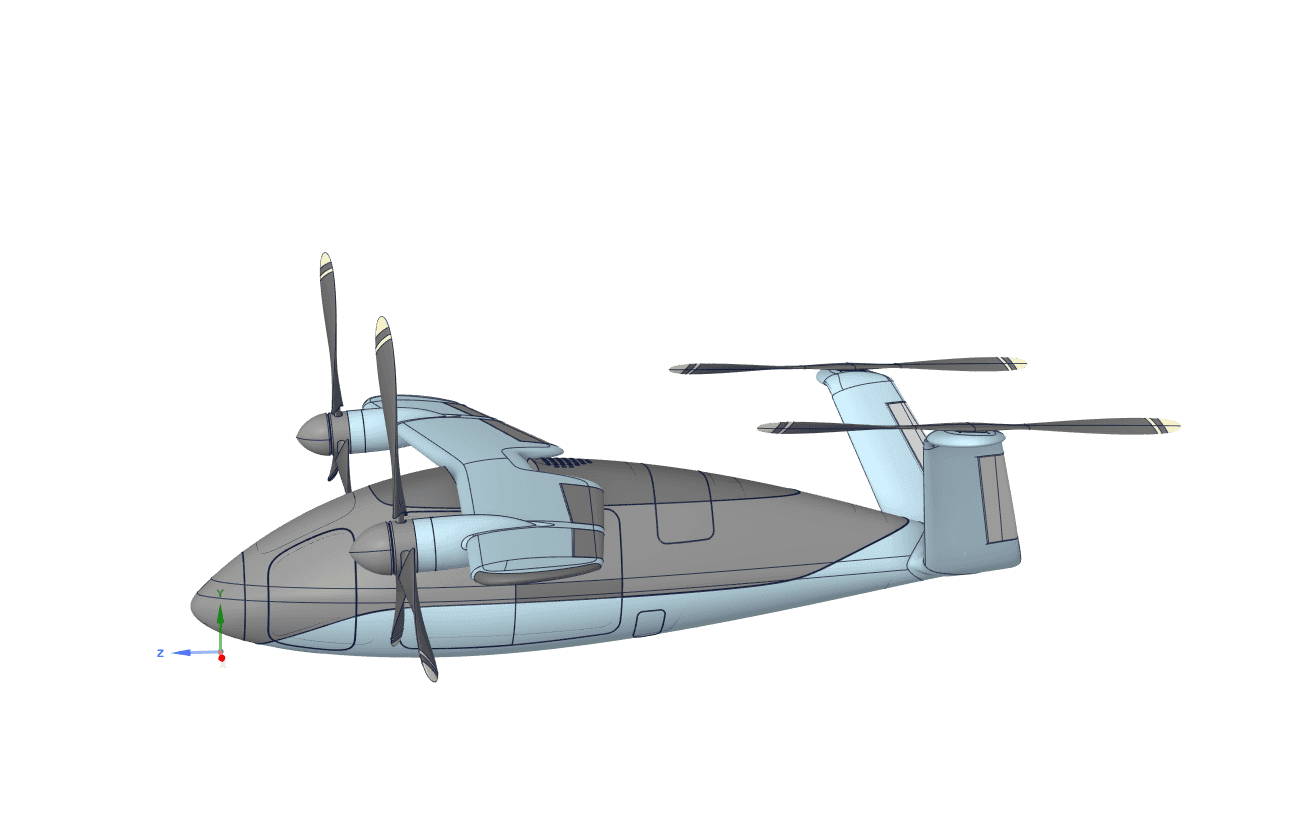
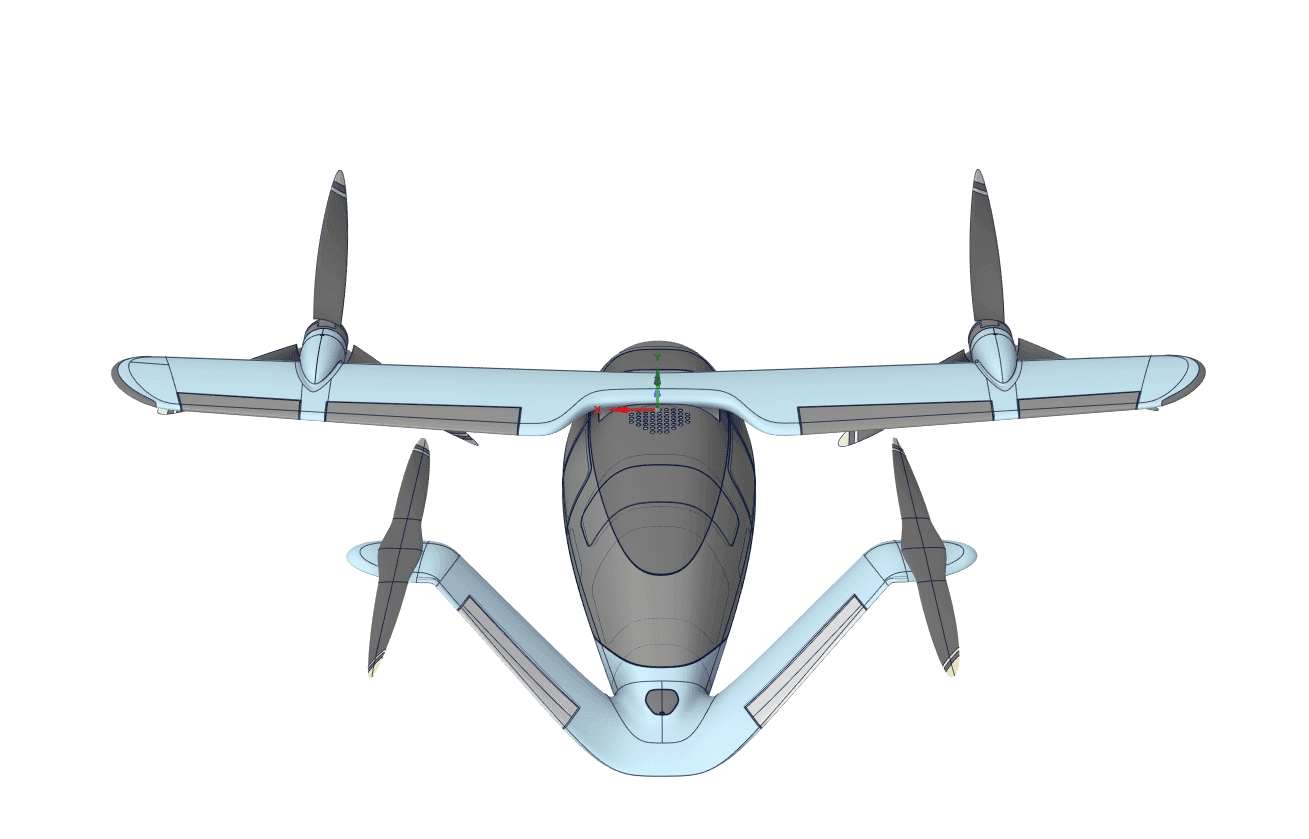
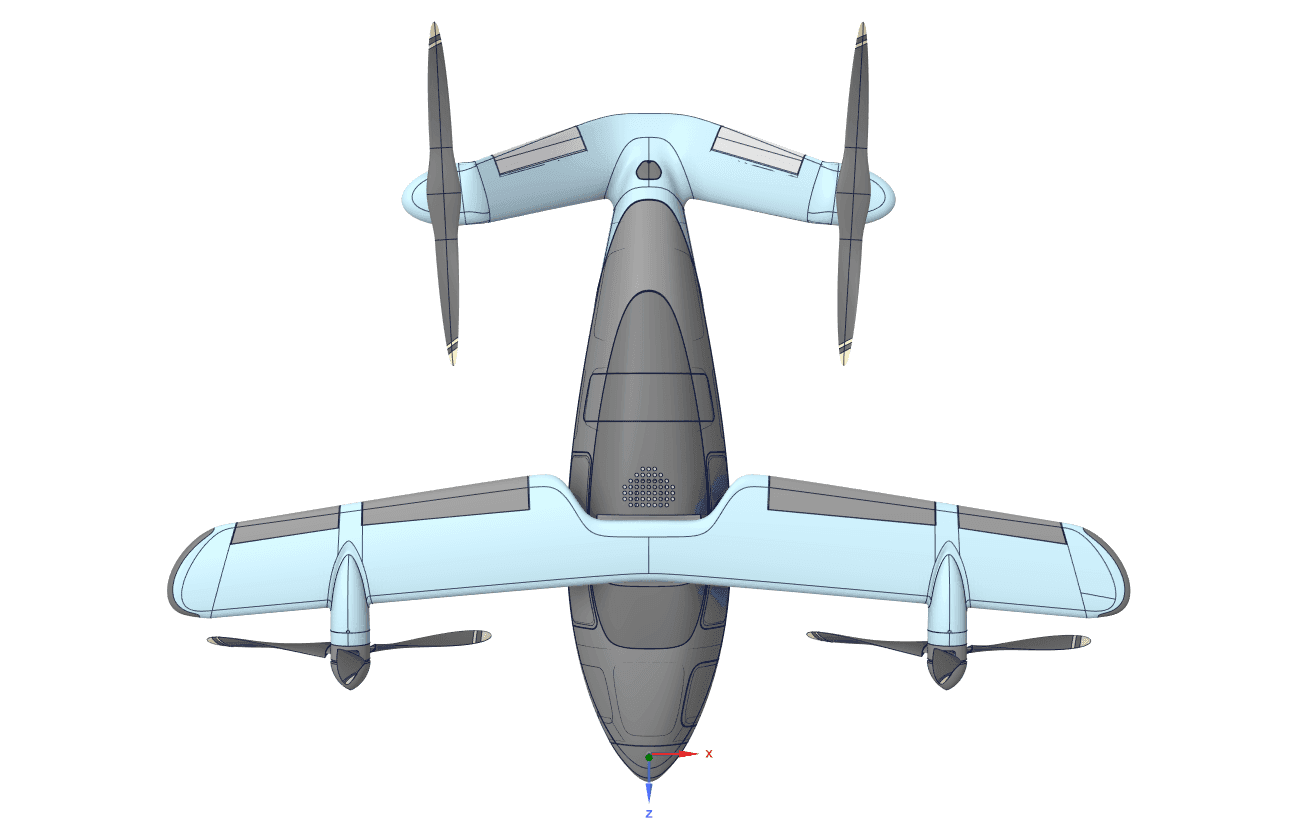
Hydrogen eVTOL aircraft Concept

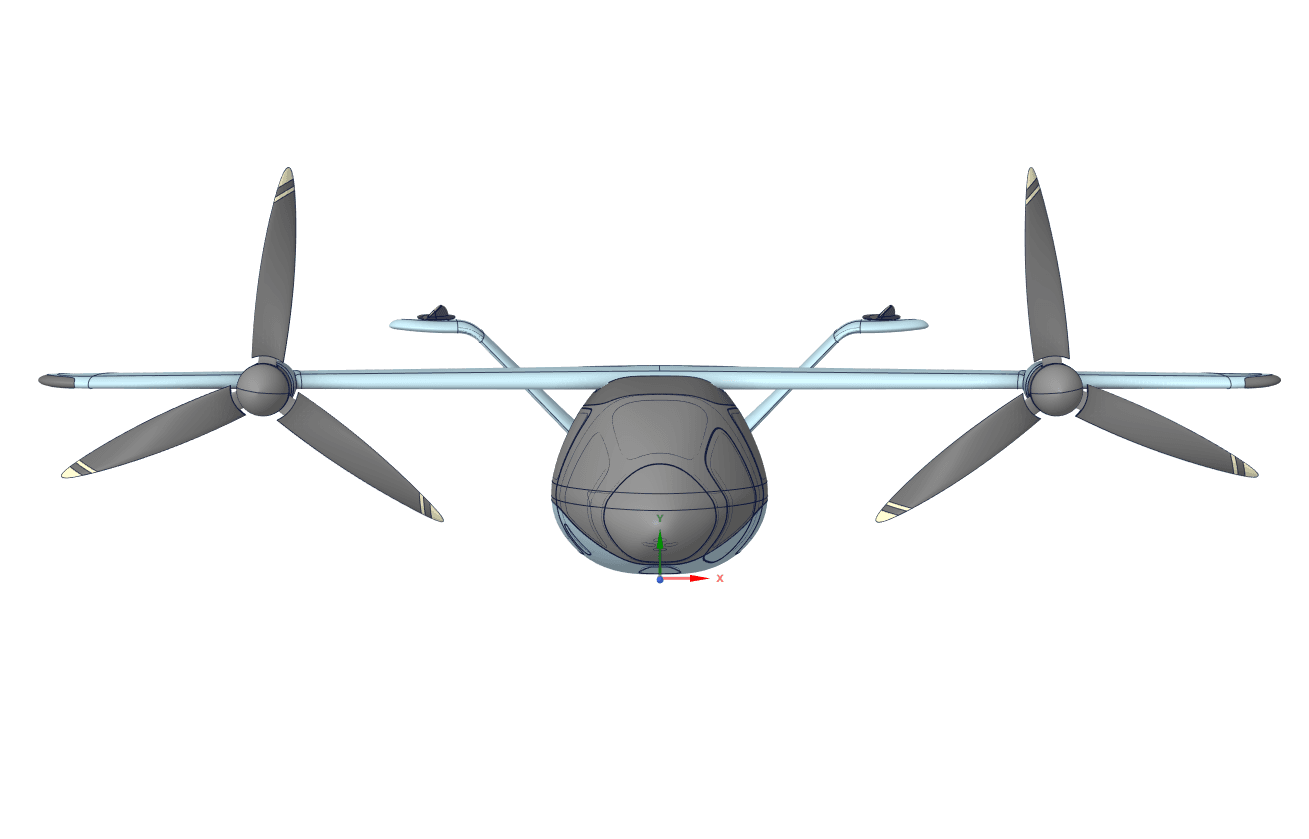
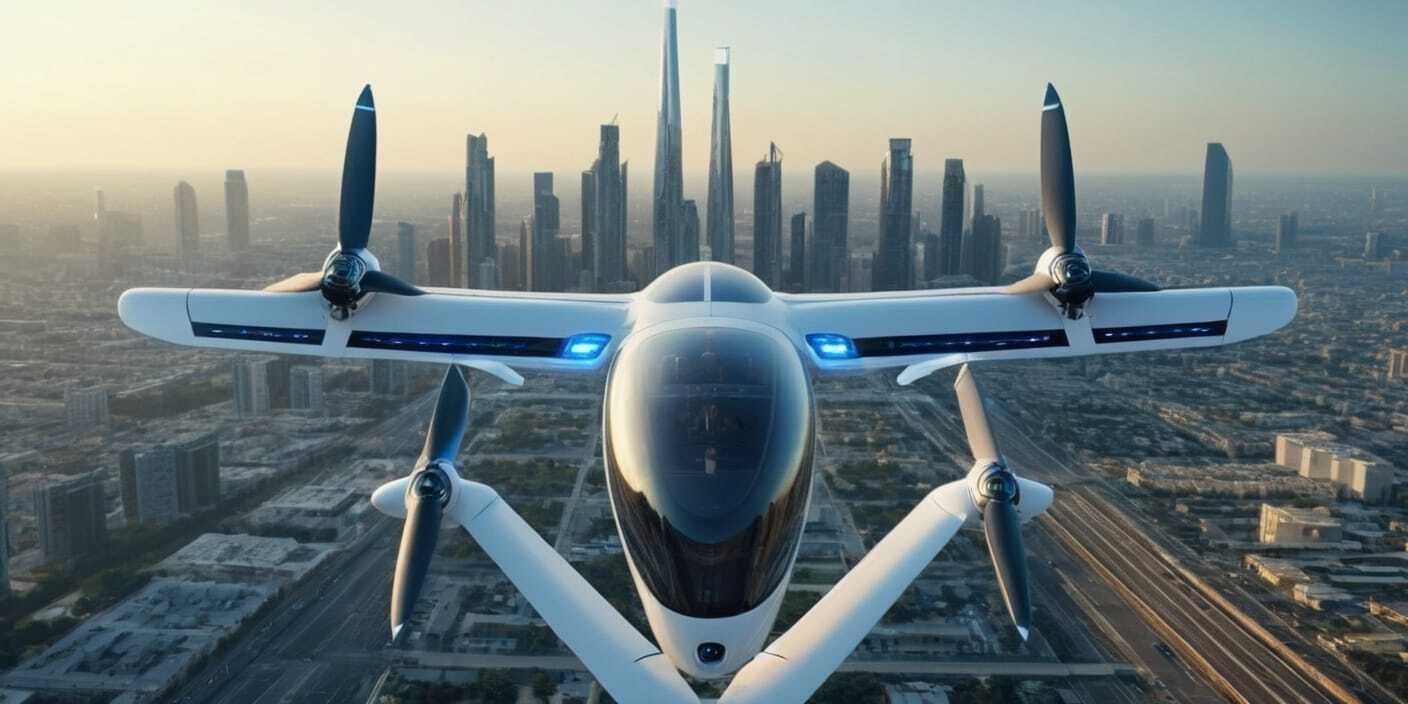
Sustainable Urban air mobility is evolving, but batteries alone won’t take us far enough. Hydrogen offers a compelling alternative—lightweight, energy-dense, and fast to refuel. This project was a demonstrator, an attempt to integrate hydrogen fuel cells into an eVTOL design, showing investors a viable path toward cleaner, more efficient urban aviation.

Task

Develop a concept aircraft that merges hydrogen propulsion with practical eVTOL design, addressing efficiency, energy storage, and real-world infrastructure integration.

  • Client

    Spacetrain

01 // Project Overview

What value
did i add ?

I led the conceptual design of a hydrogen-powered eVTOL, focusing on real-world viability rather than just theoretical performance. The project merged sustainability, aerodynamics, and system efficiency, creating a compelling proof of concept that showcased hydrogen as a serious contender for urban aviation.

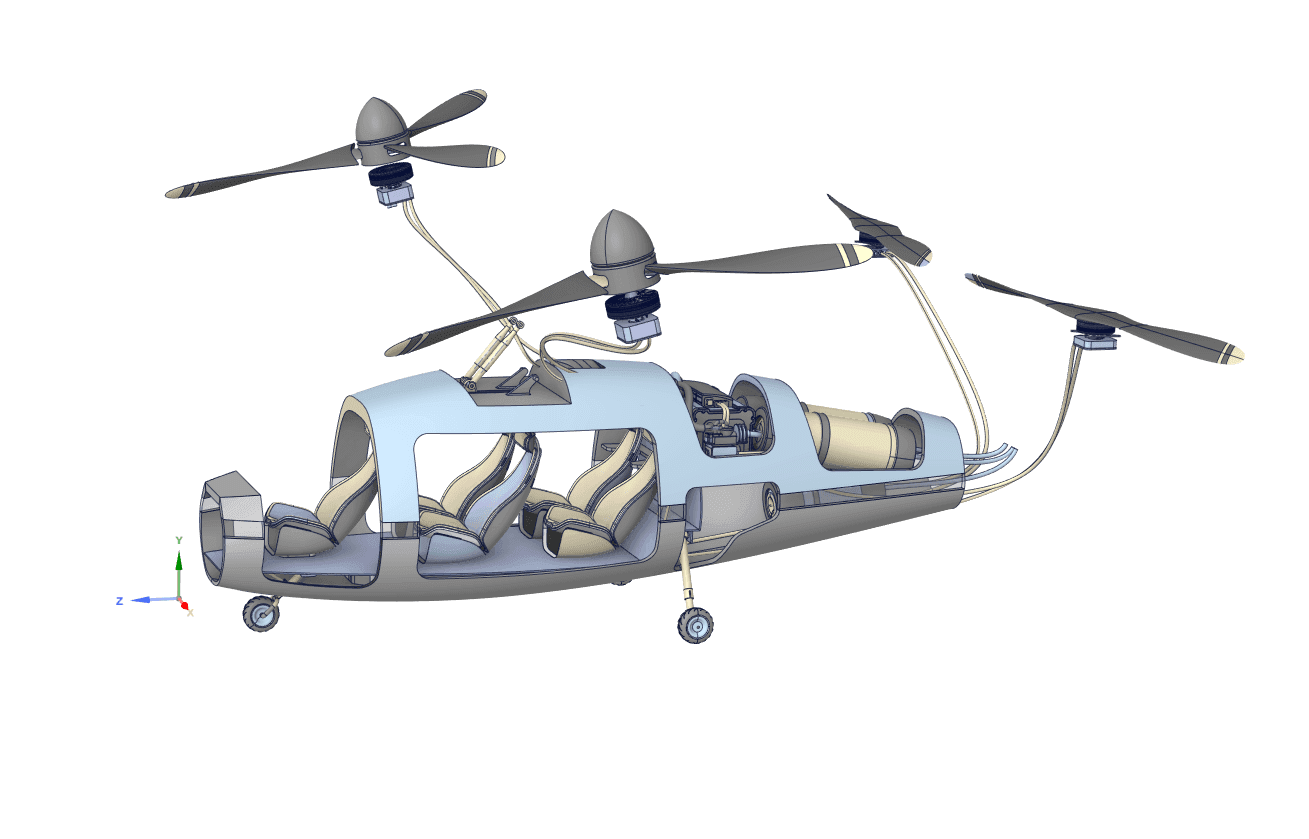
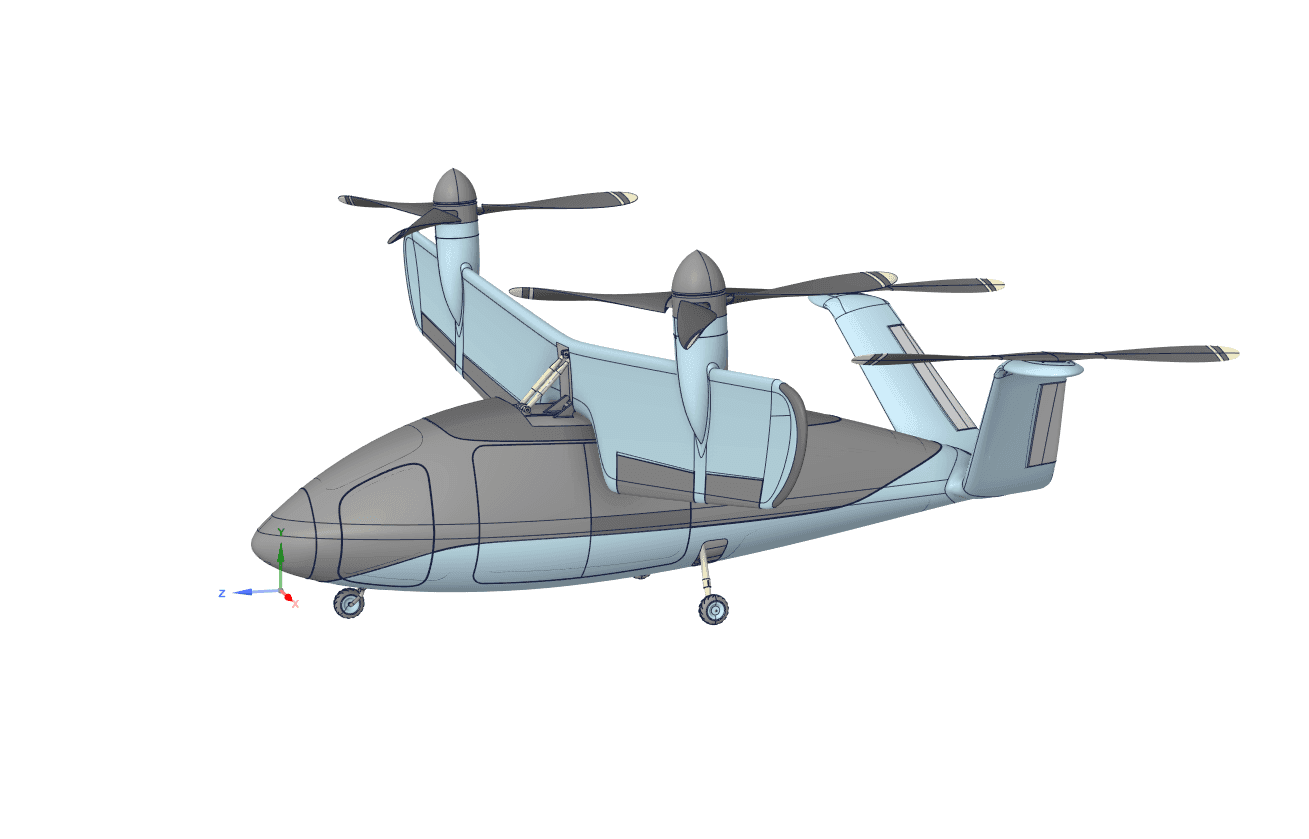
Beyond just a CAD model, this project helped shape discussions on hydrogen infrastructure at vertiports, the benefits of tiltwing design, and how hybrid energy storage (battery + hydrogen fuel cell) could extend service life.

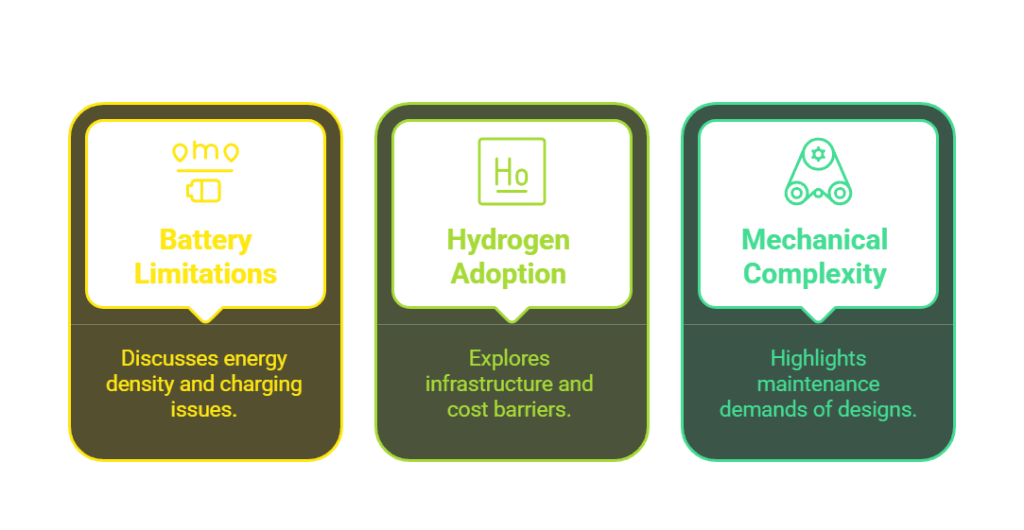
02 // Challenges

The Problems
I was solving.

challenges
03 // Approach

Engineering
process.

  1. Strategic Layout & Energy Integration

    1. Developed a tiltwing configuration for smoother, less power-intensive takeoff and landing.
    2. Designed modular hydrogen tank placement within the fuselage, optimizing weight distribution.
    3. Implemented a 48kWh auxiliary battery to balance power loads and improve longevity.
  2. Simplicity Over Complexity

    1. Avoided complex tiltrotor mechanisms, reducing maintenance costs.
    2. Focused on distributed electric propulsion for redundancy and efficiency.
  3. Scalability & Real-World Feasibility

    1. Positioned vertiports as hydrogen refueling hubs, integrating air and ground transportation needs.
    2. Ensured the aircraft could operate within existing infrastructure, making adoption easier.
04 // Statistics

Business
impact.

0%

Maintenance cost reduction

Achieved through eliminating complex rotor tilt systems.

0%

Faster refueling

Improved refueling compared to battery-based UAM solutions.

0%

Higher energy density

Compared to lithium-ion eVTOL concepts, extending range.

0%

Increased investor interest

Prototype demonstrating hydrogen’s feasibility.

05 // Honors

Client
feedback.

“The modular tank integration makes this far more practical than other hydrogen eVTOL ideas we’ve seen.”

06 // How i did it

Skills put
in action.

oh demo3 14 min

Project & Process
Management.

  • Rapid Prototyping
  • Time-Constrained Development
  • Technical Feasibility Analysis
  • Cross-Disciplinary Collaboration
oh demo3 16 min

Sustainability &
Energy systems.

  • Hydrogen Fuel Cell R&D
  • Hybrid Energy Storage Strategies
  • Infrastructure Integration
  • Emission Reduction Strategies
oh demo3 15 min

Visualization
& Development.

  • 3D CAD Modeling
  • Hydrogen Tank Optimization
  • Concept Demonstration 
  • Investor Pitch Support
oh demo3 17 min

Technical
Expertise.

  • System Engineering
  • Lightweight Engineering
  • Technical documentation 
  • Numeric simulations
  • Class A surface design